
Highlights
- Understand what mattress protectors do and why they matter
- Learn how they prevent spills, dust mites, and early wear
- Explore types: cotton, polyester, waterproof, and hypoallergenic
- Know how protectors extend mattress lifespan
- Get tips for choosing the right protector for Peps mattresses
Introduction
Your mattress is one of the most important investments in your home. But daily use, accidental spills, body sweat, and dust mites can reduce its lifespan significantly. That’s where a mattress protector becomes essential.
A high-quality mattress protector safeguards your mattress from damage, helps maintain hygiene, and ensures optimal comfort for years. In this guide, you’ll learn why mattress protectors are more than just an accessory—they’re a necessity.
What Is a Mattress Protector?
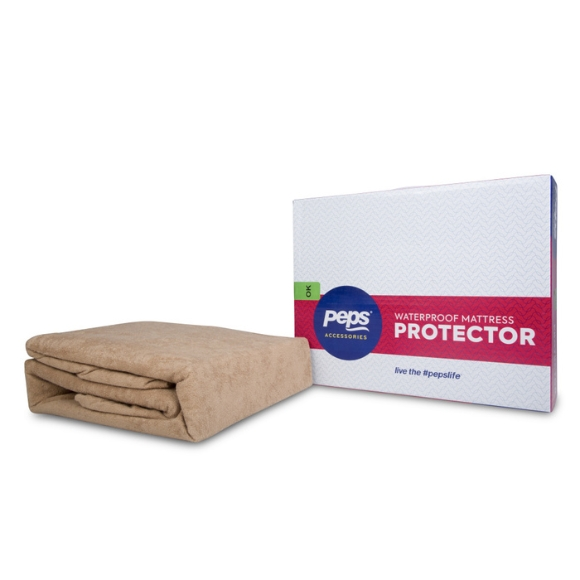
A mattress protector is a removable, washable layer that fits over your mattress to keep it clean and protected. Unlike a bedsheet, it creates a barrier against:
- Spills and moisture
- Sweat and body oils
- Dust mites and allergens
- Bacteria build-up
- General wear and tear
Why Mattress Protectors Matter
1. Protect Against Spills & Liquids
Accidents happen—especially in households with kids or pets. Waterproof protectors shield the mattress from:
- Water
- Juices
- Body fluids
- Night sweats
This prevents stains, odors, and mold formation.
2. Improves Mattress Hygiene
Your mattress absorbs sweat and dead skin cells nightly. A protector prevents allergens from settling inside the foam or spring layers, making sleep healthier—especially for people with allergies.
3. Extends Mattress Longevity
By creating a protective barrier, the mattress experiences:
- Less surface wear
- Reduced sagging
- Lower risk of moisture damage
This helps your mattress last years longer, maintaining shape and comfort.
4. Enhances Sleep Comfort
Modern protectors use breathable fabrics like cotton or knitted polyester to improve airflow. This keeps your mattress cool, soft, and pleasant for everyday use.
5. Helps Retain Warranty Coverage
Many mattress warranties require using a protector to avoid stains and liquid damage. A protected mattress equals a valid warranty.
Types of Mattress Protectors
1. Cotton Mattress Protector
- Soft and breathable
- Great for sensitive skin
- Provides basic protection
2. Polyester Mattress Protector
- Durable
- Cost-effective
- Lightweight and easy to wash
3. Waterproof Mattress Protector
- Uses PVC, TPU, or laminated layers
- Protects against liquids and stains
- Ideal for families, children, or humid climates
4. Hypoallergenic Mattress Protector
- Blocks allergens, dust mites, mold
- Ideal for asthma or allergy-prone individuals
Pairing these protectors with the right mattress type can significantly enhance cleanliness and comfort.
How to Choose the Right Mattress Protector
1. Identify Your Needs
- For spills → waterproof
- For allergies → hypoallergenic
- For comfort → cotton or quilted
2. Check Breathability
Ensure the protector allows airflow and doesn’t trap heat.
3. Confirm Size & Fit
Look for deep pockets and elastic edges for a secure fit across Peps mattress models.
4. Look for Noise-Free Fabric
High-quality protectors don’t make crinkling sounds.
5. Prefer Washable Options
Machine-washable protectors are easy to maintain and reuse.
Care Tips for Mattress Protectors
- Wash every 2–4 weeks
- Use mild detergents
- Avoid bleach
- Air-dry when possible
- Replace every 1–2 years (or if damaged)
This care routine ensures your mattress protector—and your mattress—stay fresh.
Conclusion
A mattress protector is one of the simplest yet most effective ways to extend your mattress’s lifespan. It keeps your mattress clean, guards against spills, and preserves comfort for years. Whether you own a Peps Restonic mattress , Hypoallergenic mattress or orthopedic mattress from Peps, pairing it with the right protector ensures long-term hygiene and durability.
FAQs — Mattress Protectors
Yes. A mattress protector shields your mattress from stains, allergens, dust mites, and moisture—helping it last longer and stay hygienic.
Yes, Peps Mattress Protectors come with waterproof layers. Waterproof protectors are ideal for preventing spills, sweat absorption, and stains.
High-quality protectors made from cotton or breathable polyester do not trap heat. Always choose a breathable fabric for comfort.
Yes. Mattress protectors are machine-washable, making them easy to maintain.
A good-quality protector should enhance, not hinder, comfort by adding softness and keeping the mattress surface clean and smooth.
Yes. Hypoallergenic protectors are specifically designed to block dust mites, pollen, and allergens.
Absolutely. It prevents moisture and wear, helping your mattress maintain support and structure for years.
Yes. Protectors are compatible with all mattress types, including spring, orthopedic, hybrid, and memory foam models.
Every 1–2 years, depending on usage and material quality.
No. A protector shields the mattress, while a topper adds comfort and alters firmness.