Key Takeaways
- Learn the causes of back pain and how the right mattress can help
- Understand orthopedic mattress features, firmness levels, and materials
- Explore Peps’ orthopedic mattress technologies
- Compare orthopedic mattresses vs. regular mattresses
- Get expert-backed tips for choosing the best mattress for pain relief
Introduction
Back pain affects millions of Indians daily—and one of the most overlooked contributors is your mattress. Sleeping on a sagging or unsupportive bed can cause spinal misalignment, muscle tension, and chronic discomfort.
This guide breaks down how orthopedic mattresses work, what features matter most, and how Peps’ specialized technologies support healthier sleep and long-term spine health.
Understanding Back Pain & Sleep Alignment
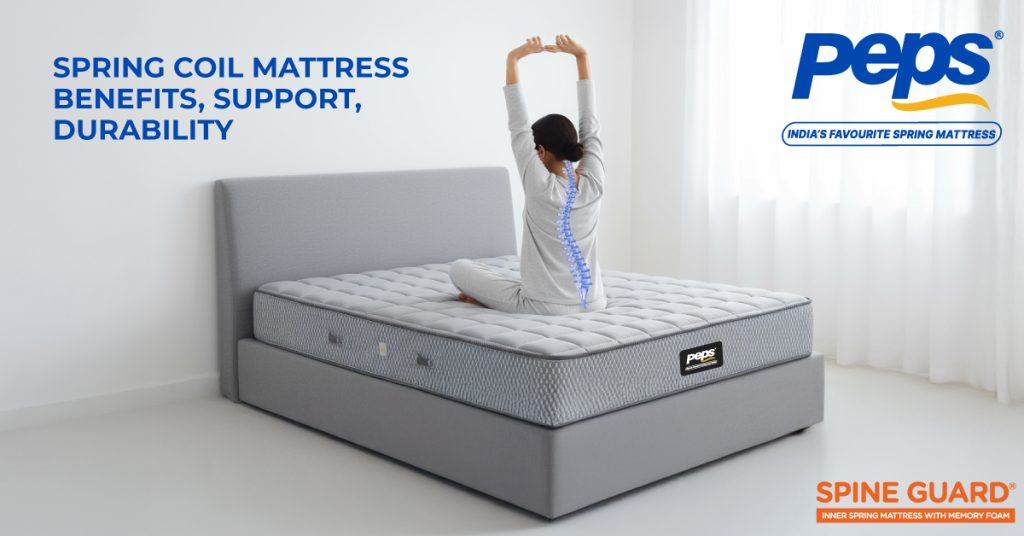
How Mattresses Affect Your Spine
Your mattress plays a major role in:
- Maintaining natural spine curvature
- Reducing pressure on hips, shoulders, and lower back
- Distributing body weight evenly
- Preventing painful morning stiffness
- A mattress that’s too soft or too firm can disrupt alignment, leading to recurring back pain.
A mattress that’s too soft or too firm can disrupt alignment, leading to recurring back pain.
What Is an Orthopedic Mattress?
An orthopedic mattress is engineered to support the spine, joints, and overall body posture. It typically includes:
- High-density foam or memory foam
- Reinforced support layers
- Pressure-relief zones
- Firm-to-medium firmness levels
Peps integrates these materials with advanced spring systems to deliver medically aligned comfort.
These layers ensure pressure relief that pure spring mattresses may not offer.
Top Rated Peps Mattresses for Back Pain
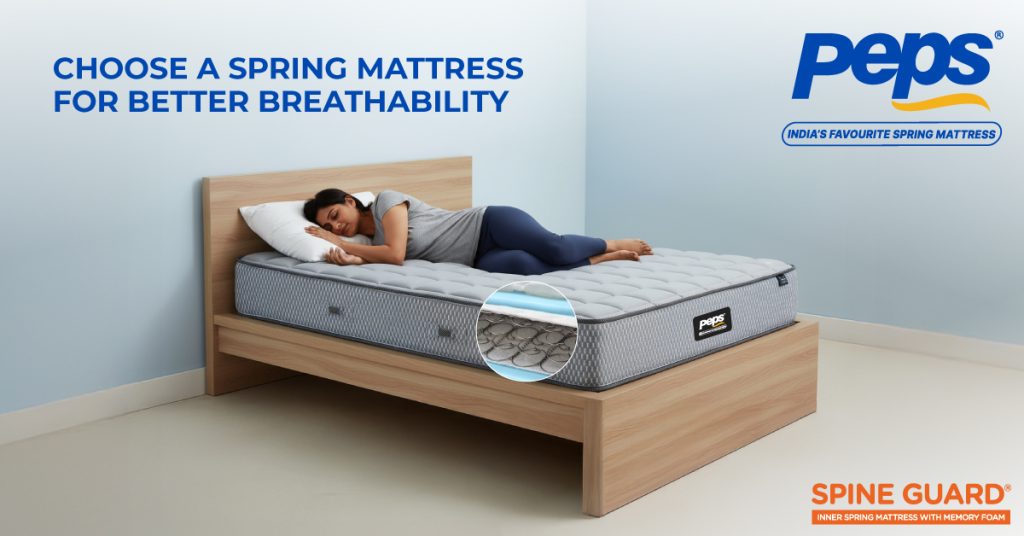
1. Peps Spine Guard Mattress
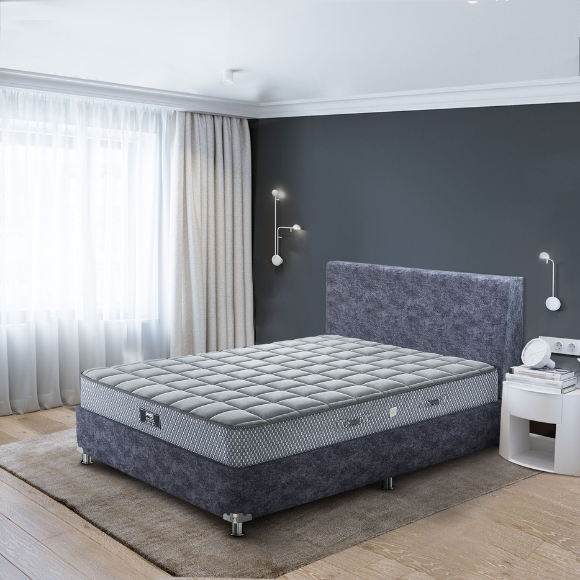
Perfect for people with chronic back pain or posture issues.
Key Features
- High-resilience rebonded foam for firm support
- Orthopedic alignment technology
- Breathable fabric for cooler sleep
- Excellent motion isolation
Best For:
Back and stomach sleepers who require stronger lumbar support.
2. Peps Restonic Series
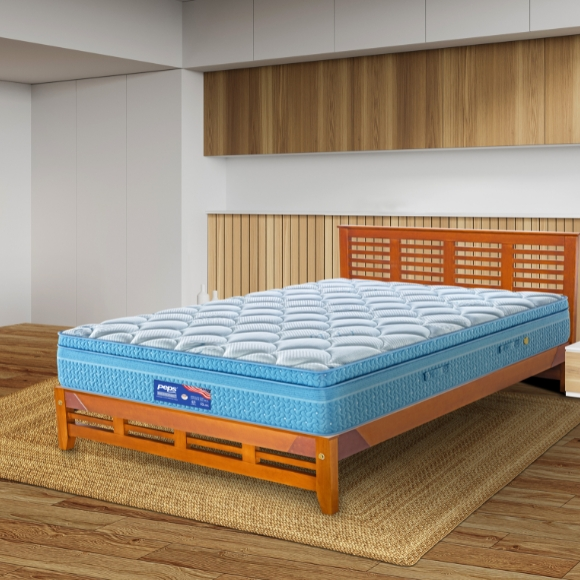
Designed using internationally recognized sleep technology.
Key Benefits
- Supportive spring + foam combination
- Pressure relief for shoulders and lumbar
- Long-lasting durability
Best For:
Sleepers looking for balanced comfort and clinical support.
3. Peps Springkoil Orthopaedic
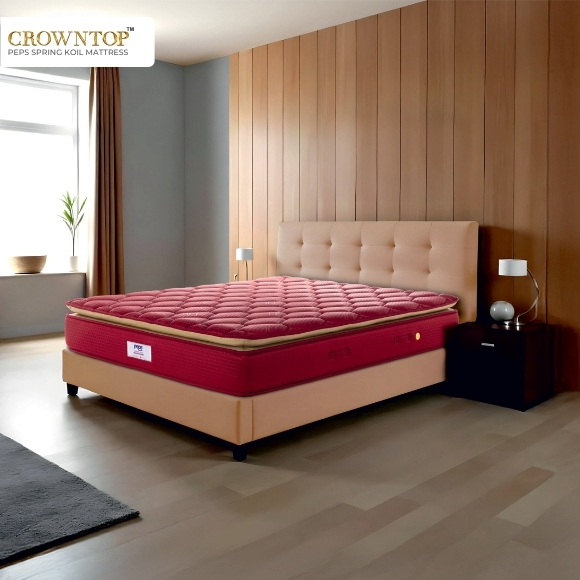
A budget-friendly orthopedic option with dependable comfort.
Why It Works
- Firm Bonnell spring support
- Stable structure that prevents sagging
- Plush top layer keeps it comfortable
Orthopedic Mattress vs Regular Mattress
| Feature | Orthopedic Mattress | Regular Mattress |
| Spinal Alignment | Excellent | Moderate–Low |
| Firmness | Medium-Firm to Firm | Varies |
| Pressure Relief | High | Medium |
| Back Pain Support | Strong | Limited |
| Durability | High | Moderate |
How to Choose the Best Mattress for Back Pain
1. Pick the Right Firmness Level
- Medium-firm: Ideal for most people with back pain
- Firm: Good for heavier sleepers
- Soft: Not recommended—can misalign the spine
2. Look for Zoned Support
Zoned layers provide targeted support to the lower back while cushioning pressure points.
3. Consider Body Type & Sleeping Position
- Side sleepers: Medium-firm with contouring
- Back sleepers: Firm with lumbar support
- Stomach sleepers: Firm to prevent sinking
4. Choose Quality Materials
Look for:
- High-density foam
- Rebonded orthopedic foam
- Pocket springs with reinforced edges
5. Ensure Good Motion Isolation
Important for couples to avoid sleep disturbances.
Helpful Resource:
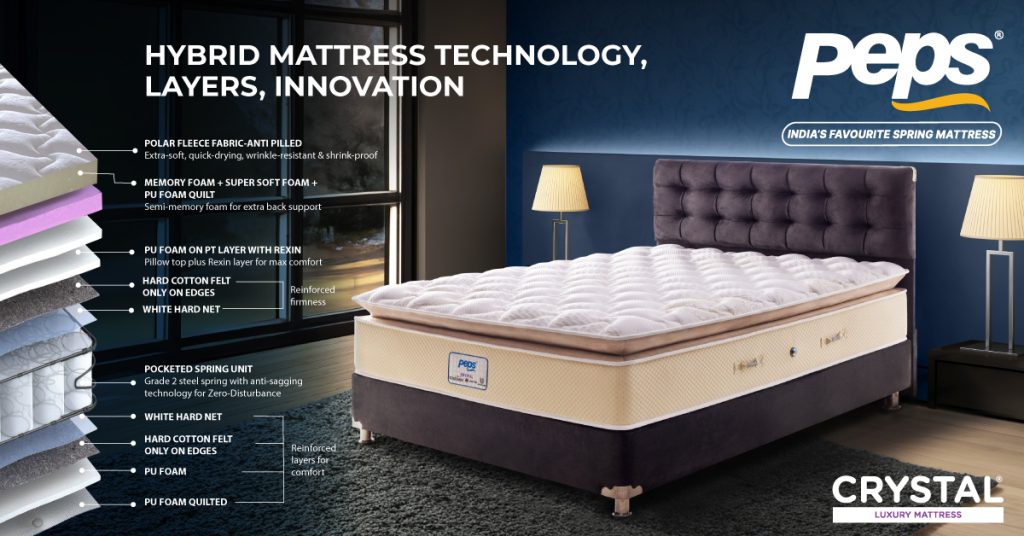
Understand mattress layering better by reading our detailed guide on hybrid mattress features and benefits, especially if you’re choosing between hybrid and orthopedic options.
Expert-Backed Benefits of Orthopedic Mattresses
Orthopedic mattresses may:
- Reduce lower back pressure
- Improve sleep posture
- Minimize spine curvature issues
- Enhance deep sleep cycles
- Prevent long-term pain recurrence
Conclusion
Choosing the right mattress can significantly reduce back pain and improve your daily comfort. Peps’ orthopedic mattresses—like Spine Guard, Peps Restonic, and Springkoil Ortho—are engineered to deliver clinically aligned support and restorative sleep.
FAQs About Mattresses for Back Pain
Orthopedic mattresses are best for back pain because they offer firm support, proper spine alignment, and pressure relief for the lower back and joints.
A medium-firm to firm mattress is generally recommended. Soft mattresses may cause the spine to sink, leading to misalignment and pain.
Yes. Peps uses rebonded foam, HR foam, and supportive spring systems to ensure proper spinal alignment, making them ideal for people with chronic or occasional back pain.
A high-quality orthopedic mattress typically lasts 7–10 years. Peps mattresses often last longer due to durable spring structures and high-density foam.
Yes. A sagging, overly soft, or unsupportive mattress can strain your spine, muscles, and joints, leading to persistent back discomfort.
Back sleepers: Medium-firm or firm mattress
Side sleepers: Medium-firm with pressure relief
Stomach sleepers: Firm to avoid sinking
If you wake up with stiffness, aches, or pain that improves throughout the day, your mattress may be the cause. Sagging or uneven surfaces are also red flags.
Yes. Orthopedic mattresses support natural spinal curvature and reduce slouching or improper alignment during sleep.
A firm or orthopedic topper can help, but for chronic pain, a full orthopedic mattress—like Peps Spine Guard—offers better long-term relief.
Spine Guard is firmer and more orthopedic-focused. Restonic offers a balanced feel with supportive foam layers, suitable for those who want both comfort and structured support.